
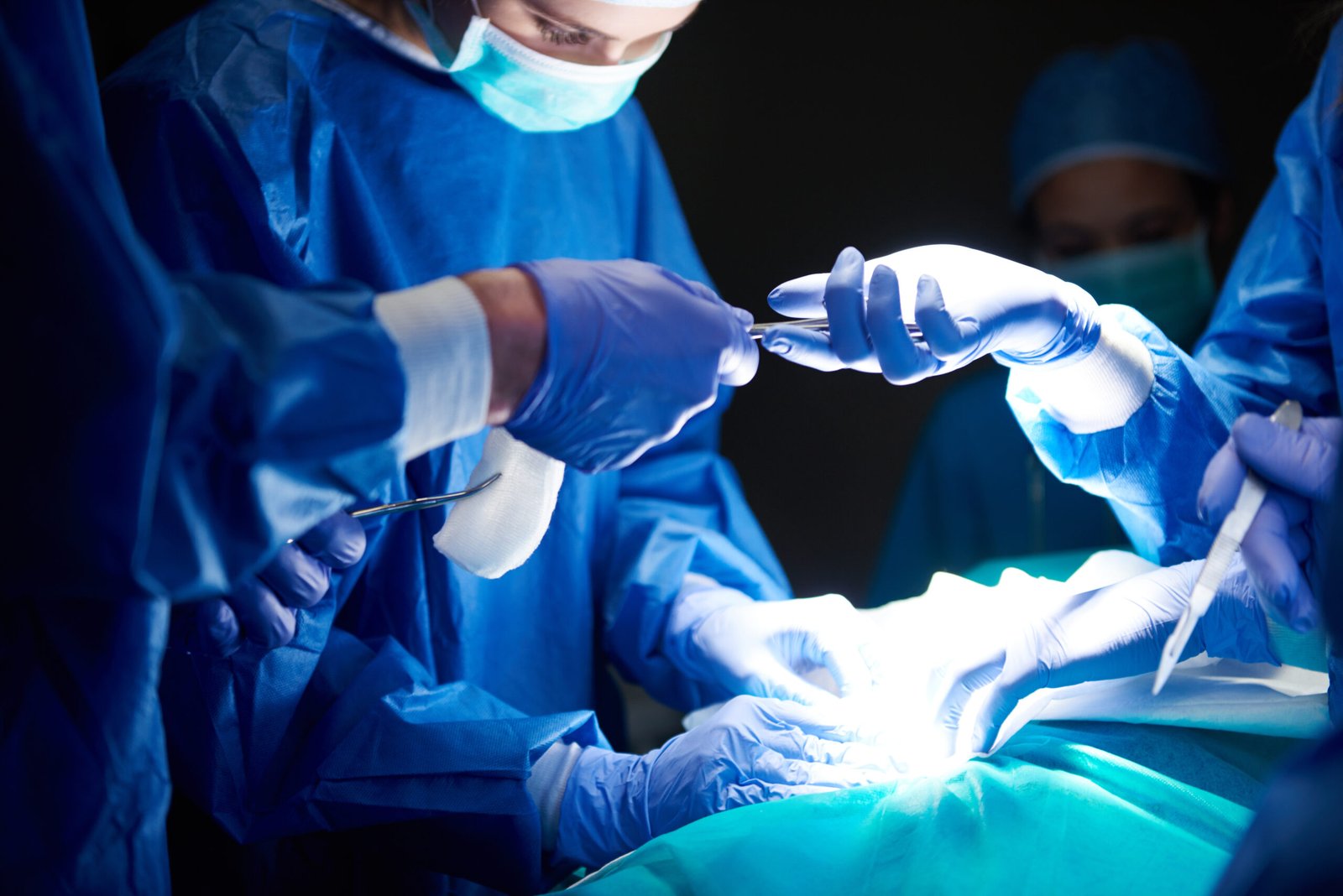
Shoulder arthroscopy in Greece has become one of the most commonly performed minimally invasive orthopaedic procedures for diagnosing and treating a wide range of shoulder disorders. Advances in surgical techniques, high-definition arthroscopic equipment and structured rehabilitation protocols have significantly improved patient outcomes while reducing postoperative pain and recovery time.
Today, Greece has established itself as a destination for high-quality orthopaedic care, with experienced shoulder surgeons offering arthroscopic treatment for both local and international patients. Conditions such as rotator cuff tears, shoulder instability, labral injuries, impingement syndrome and frozen shoulder can often be managed successfully through arthroscopy, avoiding the need for larger open procedures.
Understanding the indications, surgical technique, rehabilitation process and expected outcomes is essential for clinicians, healthcare professionals and patients considering this procedure.
If you would like to learn more about the best shoulder surgeon in Greece, you can read on Iatromedia:
👉 The Best Shoulder Surgeon in Greece – Top 5 (2026)
Shoulder arthroscopy in Greece: What is arthroscopic shoulder surgery?
Shoulder arthroscopy in Greece refers to minimally invasive surgery performed through small skin incisions using an arthroscope—a thin camera connected to a high-definition monitor—and specialised surgical instruments.
Unlike traditional open surgery, arthroscopy allows the surgeon to visualise the inside of the shoulder joint with excellent precision while minimising soft tissue disruption. This approach generally results in smaller scars, reduced postoperative pain, shorter hospital stays and faster rehabilitation.
The shoulder arthroscopy in Greece may be purely diagnostic, therapeutic or a combination of both. During the same operation, the surgeon can identify intra-articular pathology and immediately perform the appropriate repair.
Modern arthroscopic techniques have become the standard of care for many shoulder conditions because they provide excellent visualisation while preserving surrounding tissues.
Clinical indications for shoulder arthroscopy
Patient selection remains one of the most important factors influencing surgical success in shoulder arthroscopy in Greece .
Arthroscopic treatment is commonly indicated for:
- Rotator cuff tears.
- Shoulder instability and recurrent dislocations.
- SLAP and labral tears.
- Shoulder impingement syndrome.
- Frozen shoulder (adhesive capsulitis) in selected cases.
- Calcific tendinitis.
- Removal of loose bodies.
- Acromioclavicular joint pathology.
- Selected biceps tendon disorders.
The decision to proceed with surgery should always follow comprehensive clinical evaluation, imaging studies and failure of appropriate conservative treatment whenever indicated.
Careful patient counselling regarding expected outcomes and postoperative rehabilitation is equally important before surgery is scheduled.
Shoulder arthroscopy in Greece: Preoperative assessment
Appropriate preoperative evaluation helps optimise surgical planning and reduces the likelihood of complications.
Clinical assessment begins with a detailed history focusing on symptom duration, previous injuries, occupational demands, sporting activities and response to conservative treatment. A thorough physical examination evaluates range of motion, muscle strength, shoulder stability and provocative clinical tests.
Imaging plays a central role in confirming the diagnosis. Standard radiographs help assess bony anatomy and degenerative changes, while magnetic resonance imaging (MRI) provides valuable information regarding rotator cuff integrity, labral pathology and associated soft tissue injuries.
Patient-specific factors—including age, activity level, medical comorbidities and functional expectations—should also be considered before selecting arthroscopic treatment.
Diagnostic algorithm
A structured diagnostic approach improves accuracy and facilitates appropriate treatment selection in shoulder arthroscopy in Greece .
The recommended pathway includes:
- Comprehensive clinical history.
- Detailed shoulder examination.
- Assessment of active and passive range of motion.
- Special orthopaedic tests based on suspected pathology.
- Plain radiographs when indicated.
- MRI or ultrasound assessment of soft tissues.
- Evaluation of previous conservative management.
- Surgical planning based on clinical and imaging findings.
Diagnostic arthroscopy should complement, rather than replace, careful preoperative assessment.
Shoulder arthroscopy in Greece: Surgical procedure step by step
The shoulder arthroscopy in Greece procedure is usually performed under general anaesthesia, frequently combined with an interscalene nerve block for improved postoperative pain control.
After appropriate positioning in either the beach-chair or lateral decubitus position, small portals are created around the shoulder to introduce the arthroscope and specialised instruments.
Systematic inspection of the glenohumeral joint allows evaluation of the cartilage, labrum, biceps tendon, rotator cuff and capsular structures. Depending on the pathology identified, the surgeon may perform tendon repair, labral reconstruction, capsular stabilisation, subacromial decompression or removal of inflamed tissue.
Once the procedure is completed, the portals are closed with small sutures and a sterile dressing is applied. Most patients are discharged on the same day, provided there are no medical contraindications.
Clinical Pearls
Several practical points consistently contribute to successful outcomes following shoulder arthroscopy.
- Careful patient selection remains the strongest predictor of surgical success.
- Preoperative imaging should always be correlated with clinical findings.
- Structured postoperative rehabilitation is as important as the surgical procedure itself.
- Early controlled mobilisation reduces postoperative stiffness without compromising tissue healing.
- Shared decision-making improves patient satisfaction and treatment adherence.
If you would like to learn more about shoulder replacement recovery, you can read on Healthylab:
👉 Shoulder replacement recovery: What to expect month by month
Shoulder arthroscopy in Greece: Postoperative recovery timeline
Successful shoulder arthroscopy in Greece does not end when the surgical procedure is completed. Postoperative rehabilitation plays a decisive role in restoring shoulder function and achieving long-term clinical success.
Recovery varies according to the underlying pathology and the procedure performed. Patients undergoing simple debridement often recover more quickly than those requiring rotator cuff repair or shoulder stabilisation.
Immediately after surgery, pain is usually managed with oral medication and, in many cases, the effect of the regional nerve block provides additional comfort during the first postoperative hours. A sling may be required for several weeks depending on the surgical repair.
Early rehabilitation focuses on protecting healing tissues while maintaining mobility in the elbow, wrist and hand. As healing progresses, passive shoulder exercises are introduced before advancing to active motion and progressive strengthening.
Close communication between the surgeon and physiotherapist ensures that rehabilitation progresses safely without placing unnecessary stress on repaired structures.
Expected clinical outcomes and functional results
Current evidence demonstrates excellent outcomes for appropriately selected patients undergoing shoulder arthroscopy in Greece.
Most individuals experience significant pain reduction together with improved shoulder mobility and functional capacity. Daily activities such as dressing, reaching overhead, driving and sleeping become progressively easier as rehabilitation advances.
Return to recreational sports and physically demanding occupations depends on the underlying diagnosis, tissue healing and compliance with physiotherapy. While some patients recover within a few months, more complex repairs may require six months or longer before unrestricted activity is recommended.
Long-term patient satisfaction remains consistently high when surgical indications are appropriate and postoperative rehabilitation is completed successfully in shoulder arthroscopy in Greece.
Red Flags following shoulder arthroscopy
Although complications remain relatively uncommon, clinicians should recognise symptoms that require immediate reassessment.
Important postoperative red flags include:
- Persistent fever or systemic illness.
- Increasing pain despite appropriate treatment.
- Progressive redness or wound drainage.
- Severe swelling of the shoulder or upper limb.
- Sudden loss of shoulder movement.
- New neurological deficits affecting the arm or hand.
- Suspected deep vein thrombosis or pulmonary embolism.
Prompt evaluation allows early diagnosis and management of complications such as infection, repair failure or neurovascular injury.
Shoulder arthroscopy in Greece: Common clinical pitfalls
Several avoidable mistakes may negatively influence postoperative outcomes despite technically successful surgery.
One of the most frequent errors is referring patients for surgery without exhausting appropriate conservative management when indicated. Equally problematic is relying exclusively on MRI findings without correlating imaging with the patient’s clinical presentation.
Another common pitfall involves unrealistic patient expectations. Some individuals anticipate complete recovery within a few weeks, whereas biological healing often requires several months.
Inadequate communication between the surgeon, physiotherapist and patient may also delay rehabilitation or increase the risk of postoperative stiffness.
Finally, premature return to heavy manual work or sports remains a preventable cause of repair failure and prolonged recovery.
Practical recommendations for orthopaedic practice in shoulder arthroscopy in Greece
Optimising patient outcomes requires a multidisciplinary approach before and after surgery.
Careful patient education regarding rehabilitation timelines improves compliance and reduces anxiety throughout recovery. Standardised rehabilitation protocols should be individualised according to the surgical findings rather than applied uniformly to every patient.
Regular clinical follow-up allows objective assessment of pain, range of motion and shoulder strength while identifying potential complications at an early stage.
Encouraging realistic expectations is equally important. Patients who understand that rehabilitation is an integral part of treatment are generally more satisfied with both the surgical experience and the final outcome.
Frequently Asked Questions
Who is an ideal candidate for shoulder arthroscopy in Greece?
Patients with appropriate clinical indications, imaging-confirmed pathology and persistent symptoms despite conservative treatment are generally suitable candidates.
Is shoulder arthroscopy painful?
Most patients experience manageable postoperative discomfort that gradually improves with medication, rehabilitation and tissue healing.
How long does rehabilitation usually last?
Recovery depends on the procedure performed, although structured physiotherapy commonly continues for several months.
Can shoulder arthroscopy replace open surgery?
Many shoulder conditions can be treated arthroscopically, but some complex injuries still require open reconstruction.
When can patients return to work?
Office-based work may resume within a few weeks, whereas physically demanding occupations usually require longer rehabilitation.
What influences long-term outcomes?
Patient selection, surgical technique, rehabilitation adherence and management of associated shoulder pathology all contribute significantly to long-term success.
Take-home messages
Shoulder arthroscopy in Greece represents a highly effective minimally invasive solution for many common shoulder disorders. Appropriate patient selection, meticulous surgical technique and structured rehabilitation remain the three pillars of successful treatment. Early recognition of complications, multidisciplinary collaboration and evidence-based postoperative management further optimise clinical outcomes while improving patient satisfaction.
At HealthBusiness, we deliver evidence-based clinical reviews designed for healthcare professionals and readers seeking scientifically accurate medical information. Our content combines current orthopaedic evidence with practical recommendations that support informed clinical decision-making and everyday practice.
Appropriate patient selection, evidence-based surgical planning and surgeon experience are among the most important predictors of successful orthopaedic outcomes. If you would like to learn more about how patients choose an orthopaedic surgeon today, you can read on HealthBusiness:
👉 How patients choose an orthopaedic surgeon today